How Can You Support Ovulation Naturally?
Uncertainty. If you’re dealing with fertility challenges, you already know how all-consuming it can be. Not knowing if you’re pregnant. Not knowing if you “tried” at precisely the right time. Not knowing if there’s something going on beneath the surface — or if it’s simply a matter of timing.
We hear this all the time, and it’s genuinely tough. You spend day after day looking for signs, letting yourself feel hopeful — only to face disappointment when the test comes back negative. If you’re caught in that emotional cycle, you’re probably searching for anything that gives you a sense of hope and control.
Here’s the thing: while there’s no guaranteed method, there are real, evidence-backed ways to support ovulation naturally and improve your chances of a successful pregnancy. Keep reading to learn about steps you can take to feel more confident, break free of that uncertainty, and take a more active role in your journey.
How Does the Menstrual Cycle Affect Ovulation?
Before we get into how to stimulate ovulation naturally, it really helps to understand what’s actually happening in your body each month. Your menstrual cycle isn’t just one thing — it’s a series of phases, each with its own hormonal shifts.
The most important takeaway? Your cycle has four distinct phases, and your chances of getting pregnant change depending on where you are in that cycle. Let’s walk through each one.
Menstrual Phase (Day 1-7)
The first day of your period marks “Day 1” of your cycle. During this time, your uterus sheds its lining, causing you to bleed. Your oestrogen and progesterone are at their lowest right now, which is why you might notice more acne, fatigue, or moodiness. Don’t worry — those symptoms typically ease up as your period winds down.
Follicular Phases (Day 1-14)
The follicular phase actually overlaps with your period, but you’ll feel its biggest effects in the days between your period ending and ovulation beginning. This is when your pituitary gland starts releasing follicle stimulating hormone (FSH), essentially telling your ovaries to get an egg ready. You’ll also produce more luteinizing hormone (LH), which often brings higher energy levels and an increased sex drive — your body’s way of nudging you toward conception.
Ovulation Phase (Day 12-14)
Your LH, testosterone, and oestrogen levels all peak just before ovulation, which is why many women feel more confident and outgoing around this time. You’re most fertile during the two days before ovulation and on ovulation day itself — roughly a 3-day window. But here’s what I find reassuring: because sperm can survive in the reproductive tract for up to five days, the practical fertile window is the 3–5 days leading up to and including ovulation, with the highest probability of conception in the 2–3 days just before ovulation. The egg itself only lasts 12-24 hours after release, though, so timing still matters.
Luteal Phase (Day 15-28)
After the egg leaves the ovary, it travels through the fallopian tube toward the uterus. If it isn’t fertilized, your progesterone levels drop — signaling your body to prepare for shedding the uterine lining. That hormonal shift can bring on feelings of anxiety, sadness, or fatigue, especially if you’re sensitive to these changes.
Note: The above timeline is based on a 28-day menstrual cycle. If you have a shorter or longer cycle, it’s best to track both your ovulations and periods for a minimum of three months to determine the average length of your cycle. If you have recently stopped contraception, our guide to getting pregnant after birth control covers what to expect as your cycle returns to normal.
How to Support Ovulation Naturally
Now that you understand what’s happening in each phase of your cycle, let’s talk about the practical steps you can take to support ovulation — without invasive procedures or medical interventions. So many of you have asked about this, and we get it: these natural approaches can feel genuinely empowering, giving you something proactive to do while you figure out your next steps (whether that’s continuing naturally or exploring options like IVF or IUI).
Here are the natural methods we recommend to help support your fertility:
Take Supplements
Ovulation support supplements are formulated to work with your body’s natural reproductive processes. If you’ve been wondering how to boost ovulation naturally, a well-balanced fertility supplement is one of the most effective places to start.
Look for ingredients like folic acid, which is essential for cell division and DNA synthesis during early embryonic development1,2, and zinc, which helps regulate the menstrual cycle. Vitamin D is another important one — it plays a role in calcium absorption and may help maintain balanced hormonal levels3.
One thing to keep in mind: always check with your healthcare provider before adding supplements to your routine. They can help you figure out what makes sense based on your medical history and overall wellness goals.
Eat Foods High in Antioxidants
What you eat genuinely matters right now. Antioxidants may help counteract oxidative stress, which can affect egg and sperm cells4,5. While the evidence for whether antioxidant supplements directly improve fertility outcomes remains low-quality overall6,7, a balanced antioxidant-rich diet is a sensible foundation for reproductive health.
Great sources include cranberries, peaches, blueberries, green tea, nuts, and dark chocolate. Our fertility diet guide lays out a comprehensive plan for building meals around these ovulation-supporting nutrients.
If these foods aren’t a regular part of your diet — or if it’s hard to fit them in consistently — a CoQ10 supplement can help fill the gap. CoQ10 is a powerful antioxidant your body produces naturally, and its primary job is promoting energy production in your cells. The evidence points to CoQ10 supporting mitochondrial function in reproductive cells8,9, though most research comes from fertility treatment settings rather than natural conception10. Studies on CoQ10 and fertility typically use doses of 200-600mg daily, taken for at least 8-12 weeks8,10. If you’re considering CoQ10, discuss it with your healthcare provider to determine if it’s right for your situation.
Important: CoQ10 may reduce the effectiveness of warfarin and similar anticoagulants. If you take blood-thinning medication, discuss CoQ10 supplementation with your healthcare provider before starting.
Get Active
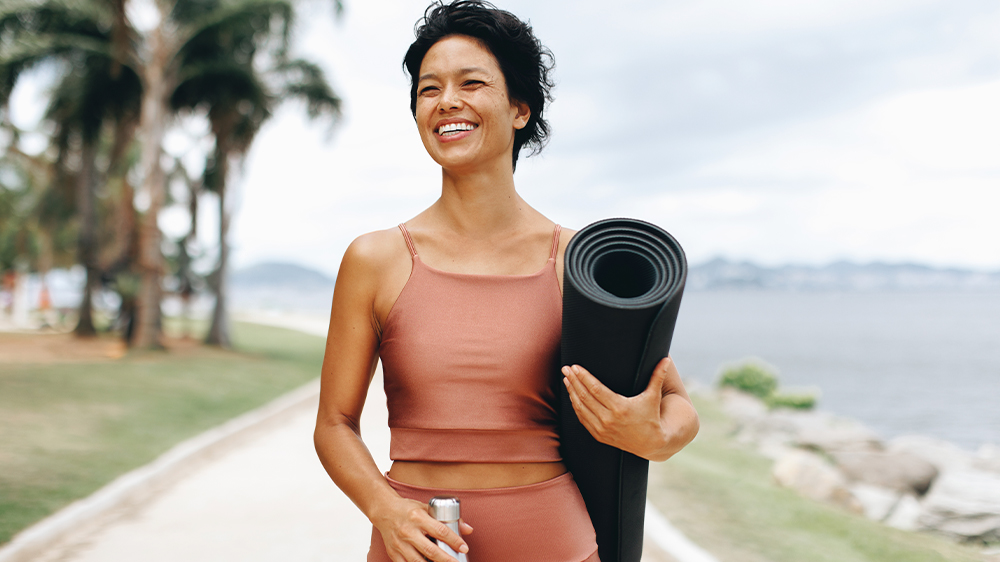
This one genuinely surprised me when I first looked at the research. Inactivity is one of the biggest barriers to conception for both sexes. For women, a lack of physical activity hinders blood flow and throws off hormonal balance. In women with PCOS, physical activity has been shown to support more regular cycles, and a systematic review found that 30–60 minutes per day of exercise was associated with fewer ovulatory disorders in the general population11. For men, trials found that regular exercise supports sperm health — one cohort study showed men in the highest activity quartile (15 or more hours per week of moderate-to-vigorous activity) had approximately 73 percent higher sperm concentration compared to those exercising less than 5 hours weekly12. Regular exercise also improves sperm performance during fertilisation.
Numbers like these really drive home how important movement is for anyone asking how to support ovulation naturally. And here’s the encouraging part: just 30 minutes of exercise per day is enough to make a meaningful difference.
Low-to-moderate impact exercises are especially good when you’re trying to conceive. Walking, swimming, yoga, and cycling all improve blood circulation without putting too much stress on the body.
Ensure Sufficient Iron Levels
Here’s something that doesn’t get talked about enough: low iron levels can lead to anaemia, which disrupts your menstrual cycle and makes it less predictable — reducing your chances of conception. Even if you haven’t been diagnosed with iron-deficiency anaemia, levels that are lower than ideal can quietly interfere with your reproductive system.
Iron plays a key role in transporting oxygen throughout your body, including to your ovaries, where it’s needed for healthy follicular development. Without enough iron, your ovaries may not release an egg at all — or if they do, egg quality may be compromised. Research suggests that iron supplements and nonheme iron-rich plant foods (such as lentils, beans, and leafy greens) have been associated with lower risk of ovulatory infertility in a large prospective cohort study13. Heme iron from animal sources was not associated with reduced risk in this study.
Ask your healthcare provider for a blood test to check your iron levels. If they’re below the normal range, adding an iron supplement to your routine is a good idea. You can also try eating more iron-rich foods like kidney beans, lentils, kale, quinoa, and fish.
Important: If considering iron supplements, be aware that iron can interact with certain medications including thyroid medication and some antibiotics. Take iron separately from other supplements and discuss supplementation with your healthcare provider, especially if you take any medications.
Avoid Alcohol and Drugs
This is a big one, and we hear a lot of questions about it. Understanding how alcohol and drugs affect your body is a really important part of supporting ovulation naturally. The first thing to know is that alcohol consumption has been linked to disruption of reproductive hormones in both sexes14. In women, even moderate intake can affect oestrogen and luteal-phase progesterone signalling and disturb ovulation; in men, chronic intake tends to lower testosterone and impair sperm production15.
If you’re hoping to conceive, most reproductive health experts recommend abstaining from alcohol completely. What researchers discovered is striking: one study found that women drinking 3-6 alcoholic drinks per week during the luteal phase had a 44% reduction in conception chances14, though research results on moderate alcohol consumption and fertility vary. The safest approach when trying to conceive is to limit or avoid alcohol entirely, as it can disrupt hormone levels and ovulation.
How Do You Identify Your Fertility Window Around Ovulation?
| Method | How It Works | Evidence Level | Implementation |
|---|---|---|---|
| Folic Acid Supplementation | Folate supports DNA synthesis and cell division essential for egg development; adequate levels support regular ovulation.1,2 | Strong (USPSTF guideline1) | Supplement 400–800 mcg daily; begin 3+ months before conception for full effect. |
| Antioxidant-Rich Diet | Antioxidants reduce oxidative stress and support mitochondrial health; healthy mitochondria are essential for egg development and ovulation.4,6 | Moderate (low-certainty Cochrane evidence6) | Eat colourful vegetables, berries, nuts, seeds, and leafy greens daily; aim for variety to cover multiple antioxidants. |
| Regular Exercise (30 min/day) | Movement improves insulin sensitivity, hormone balance, and ovarian blood flow; supports regular ovulation.11 | Moderate (systematic review11) | Include 30 minutes of moderate aerobic activity most days; pair with resistance training 2–3 times weekly. |
| Iron-Rich Foods | Iron deficiency impairs ovulation and increases miscarriage risk; adequate iron supports normal menstrual cycling and egg development.13 | Moderate (prospective cohort13) | Include red meat, poultry, fish, or plant-based sources 3–4 times weekly; pair with vitamin C for enhanced absorption. |
| Vitamin D Optimisation | Vitamin D regulates ovulation and menstrual cycle length; deficiency is associated with irregular cycles and impaired ovulation.3 | Moderate (observational evidence3) | Get 15–30 minutes midday sun exposure or supplement 1,000–4,000 IU daily; request blood testing to identify deficiency. |
| Alcohol Reduction | Alcohol impairs ovulation and egg quality; reducing intake restores ovulatory function and hormone balance.14,15 | Strong (ASRM guideline14) | Limit to 0–1 drink per week while trying to conceive; abstain during active conception attempts. |
| Ovulation Predictor Kits (OPKs) | OPKs detect the pre-ovulatory LH surge in urine; manufacturers report over 99% analytical accuracy for LH detection, though clinical performance at predicting the fertile window varies (around 90–96% per cycle). OPKs are most useful when combined with another tracking method. | Strong | Test daily starting 5 days before expected ovulation; a positive result indicates ovulation within 12–36 hours. |
| Cycle-Based Timing | Tracking cervical mucus and basal body temperature identifies ovulation; allows optimisation of intercourse timing during the fertile window. | Moderate | Monitor cervical mucus daily (fertile when stretchy and clear) and basal body temperature (rises 0.5–1°F after ovulation). |
Now that we’ve covered how to support ovulation naturally, let’s talk about how to maximise your chances of conception by timing intercourse strategically.
Determine Your Cycle Length
As we mentioned, knowing your typical cycle length is essential for pinpointing your fertility window. The normal healthy range is anywhere between 21-35 days. If your cycle tends to fall outside that range, it could signal an underlying condition — such as hypothyroidism — that’s worth looking into.
It’s also worth knowing that some cycle-to-cycle variation is completely normal. Stress, medications, diet, and even jet lag can all shift things by a few days. That’s exactly why tracking your cycle for 3-6 months gives you a much clearer picture of what’s typical for you.
Use Ovulation Predictor Kits (OPKs)
Cycle tracking apps can give you a rough estimate of when ovulation might happen, but they’re not the most reliable method. The surest way to know when you’re actually ovulating is to use ovulation predictor kits. They work a lot like pregnancy tests, but instead of measuring pregnancy hormones, they detect luteinizing hormone (LH). When LH is high, ovulation is about to happen (within 24-36 hours) — meaning you’re at your most fertile.
Pay Attention to Physical Changes
Your body gives you more signals than you might realise. Cervical mucus, in particular, is one of the strongest natural indicators of ovulation. If you notice it’s clear and stretchy — with a consistency similar to egg whites — you’re likely in your fertile window. You may also notice a sharp increase in libido, light cramping, and breast tenderness around this time.
Track Your Basal Body Temperature
Your basal body temperature (BBT) rises slightly during ovulation, and many women find tracking it really helpful when trying to conceive. To get an accurate reading, use a basal thermometer first thing in the morning while your body is completely at rest (exercise, weather, and other factors can throw off your numbers). Plot your temperatures across your menstrual cycles for a clearer picture of your body’s patterns. Before long, you’ll start noticing a slight uptick around the middle of each month — that’s ovulation.
Plan to Have Intercourse Prior to Ovulation
Because sperm can survive in the female reproductive tract for up to 5 days while an egg only lasts 12-24 hours after release, the best strategy is to have intercourse every other day in the week leading up to ovulation. That way, sperm are already in place and ready when the egg arrives. For guidance on when to confirm results, see our guide on how many days after ovulation you can test. Studies show the chances of getting pregnant are highest during the 2-3 days leading up to ovulation, when there’s a 20-30 per cent likelihood.
Supporting Your Fertility with FertilitySmart
You now know how to support ovulation naturally and the steps you can take to identify your fertility window. By being proactive and informed, you’re already moving closer to the family you’ve been dreaming of.
If you’re looking for a supplement that brings together several of the nutrients discussed in this guide, FertilitySmart Conceive For Women™ is formulated with folic acid, iron, zinc, vitamin E, l-arginine, and other vitamins and amino acids researched for reproductive health support.
Our supplements contain no fillers, artificial flavours, gluten, gelatin, lactose, sugar, or preservatives. As with any supplement, discuss with your healthcare provider whether it fits your individual situation.
Have a question? Check out our FAQs! Don’t see your question? Reach out to us anytime!
Frequently Asked Questions
Can you ovulate more than once per cycle?
While it's possible for multiple eggs to be released during a single ovulation event (which is how non-identical twins occur), this is generally observed to happen within about 24 hours rather than at separate points in the cycle. Once ovulation has occurred and progesterone rises during the luteal phase, further ovulation is suppressed for that cycle. Tracking your LH surges with ovulation predictor kits can help confirm when you're ovulating.
What are the signs that you are ovulating?
Common ovulation signs include changes in cervical mucus (becoming clear, stretchy, and egg-white in consistency), mild pelvic pain or cramping on one side (mittelschmerz), a slight rise in basal body temperature (0.3–0.5°C after ovulation), increased libido, and breast tenderness. You may also notice light spotting around ovulation. Ovulation predictor kits provide a more objective measure by detecting the LH surge that precedes egg release by 12–36 hours.
How long does it take for natural methods to improve ovulation?
Most natural ovulation support strategies require 2–3 months of consistent practice before you'll see measurable improvements. This timeframe aligns with the egg maturation cycle, as follicles entering the final gonadotropin-dependent phase of development today were recruited from the resting pool roughly three months earlier16. Supplement regimens, dietary changes, and exercise programmes all work gradually to optimise your hormonal balance and egg quality over multiple menstrual cycles.
Can stress affect ovulation?
Yes, chronic stress can significantly disrupt ovulation. Elevated cortisol levels interfere with the hypothalamic-pituitary-ovarian axis, which controls the hormonal cascade triggering ovulation17. This can lead to delayed ovulation, irregular cycles, or anovulation (complete absence of ovulation). Stress management techniques such as mindfulness meditation, yoga, and cognitive behavioural therapy can help support more regular ovulatory patterns.
What foods help stimulate ovulation?
Foods that support ovulation include antioxidant-rich fruits (blueberries, cranberries, peaches), iron-rich foods (lentils, kale, kidney beans, quinoa), healthy fats (avocado, nuts, olive oil), and complex carbohydrates (whole grains, sweet potatoes). Dark chocolate and green tea also provide beneficial antioxidants. A Mediterranean-style dietary pattern rich in these foods can support improved fertility outcomes and more regular ovulatory cycles.
Is irregular ovulation a sign of infertility?
Irregular ovulation does not necessarily mean infertility, but it can make conception more challenging because predicting the fertile window becomes difficult. Irregular ovulation can result from treatable conditions such as PCOS, thyroid disorders, stress, or being significantly under or overweight. If you experience consistently irregular cycles (shorter than 21 days or longer than 35 days), consulting a healthcare provider can help identify the underlying cause and determine appropriate support strategies.
References
- US Preventive Services Task Force. Folic Acid Supplementation to Prevent Neural Tube Defects: Reaffirmation Recommendation Statement. JAMA. 2023. doi:10.1001/jama.2023.12876
- Gaskins AJ, Mumford SL, Chavarro JE, et al. Effect of daily fiber and nut intake on reproductive function: the BioCycle Study. PLOS ONE. 2012. doi:10.1371/journal.pone.0046276
- Pilz S, et al. Vitamin D and Fertility. Nutrients. 2022.
- Agarwal A, et al. Role of oxidative stress in female reproduction. Reproductive Biology and Endocrinology. 2005.
- Agarwal A, et al. Oxidative stress and male infertility. World Journal of Men’s Health. 2014.
- Showell MG, Mackenzie-Proctor R, Jordan V, Hart RJ. Antioxidants for female subfertility. Cochrane Database of Systematic Reviews. 2020.
- de Ligny W, Smits RM, Mackenzie-Proctor R, et al. Antioxidants for male subfertility. Cochrane Database of Systematic Reviews. 2022.
- Xu Y, Nisenblat V, Lu C, et al. Pretreatment with coenzyme Q10 improves ovarian response and embryo quality in low-prognosis young women with decreased ovarian reserve. Reproductive Biology and Endocrinology. 2018. doi:10.1186/s12958-018-0343-0
- Ben-Meir A, Burstein E, Borber A, et al. Coenzyme Q10 restores oocyte mitochondrial function and fertility during reproductive aging. Aging Cell. 2015. doi:10.1111/acel.12368
- Florou P, Anagnostis P, Theocharis P, et al. Does coenzyme Q10 supplementation improve fertility outcomes in women undergoing assisted reproductive technology procedures? Journal of Assisted Reproduction and Genetics. 2020. doi:10.1007/s10815-020-01906-3
- Hakimi O, Cameron LC. Effect of exercise on ovulation: a systematic review. Sports Medicine. 2017.
- Gaskins AJ, et al. Physical activity and television watching in relation to semen quality in young men. British Journal of Sports Medicine. 2015.
- Chavarro JE, Rich-Edwards JW, Rosner BA, Willett WC. Diet and lifestyle in the prevention of ovulatory disorder infertility. Obstetrics and Gynecology. 2007.
- ASRM Practice Committee. Optimizing natural fertility: a committee opinion. Fertility and Sterility. 2022.
- Ricci E, et al. Alcohol intake and semen variables. Reproductive BioMedicine Online. 2017.
- Gougeon A. Human ovarian follicular development: from activation of resting follicles to preovulatory maturation. Annales d’Endocrinologie. 2010.
- Whirledge S, Cidlowski JA. Glucocorticoids, stress, and fertility. Minerva Endocrinologica. 2010.
Marina Carter
Fertility Health Writer at FertilitySmart
Marina Carter is a specialist health writer with nearly a decade of experience in reproductive health, fertility nutrition, and research-informed conception support. She has authored over 30 in-depth articles for FertilitySmart, translating peer-reviewed research into clear, practical guidance for individuals and couples on their fertility journey. Read full bio →
These statements have not been evaluated by the Food and Drug Administration. These products are not intended to diagnose, treat, cure, or prevent any disease.