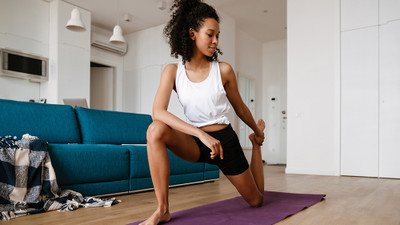
Trying to conceive is a journey filled with excitement and anxiety for many couples. As you eagerly anticipate a positive pregnancy test, remember that now is the ideal time to prioritize your overall wellness. A well-rounded exercise routine is beneficial for setting the stage for a healthy pregnancy. In this guide, we'll explore the impact of exercise on fertility and highlight approaches to exercise that may enhance your fitness plan. Read on to discover how targeted physical activity can support your reproductive health and why incorporating these exercises can make a difference.
Medical Disclaimer: This article is for informational purposes only and does not constitute medical advice. Consult your healthcare provider before starting any new exercise programme, especially if you are pregnant, trying to conceive, or have underlying health conditions. If you are undergoing fertility treatment, discuss any significant changes to your exercise routine with your fertility specialist.
How Does Exercise Affect Fertility?
Scientific studies have shown that maintaining a consistent exercise routine1 may be associated with reduced infertility risk. This is particularly noted in research on women with PCOS.2
Exercising regularly has a variety of overall health benefits. For example, it helps support your cardiovascular health and improves blood flow. Exercise also helps you maintain strength and flexibility and can even help you manage your stress levels. Being in good physical health is important for conception, which is why regular movement is so important.
When you exercise to support fertility, it's best to stick to light to moderate workouts. This is because very intense exercise could potentially interfere with your menstrual cycle. High-intensity exercise can release stress hormones like cortisol, which research suggests can affect ovulation3 when present in elevated levels.
Exercising can also support men who are trying to conceive with their partners. Men with sedentary lifestyles tend to have lower sperm counts4 compared to men who exercise regularly. As with women, men should aim for light to moderate exercise when trying to conceive. This is because very intense exercise may affect sperm production.
Are There Exercises to Improve Fertility?
Many different exercises can support fertility. Ultimately, the best exercise for fertility is something you enjoy. This will help you stay motivated to continue with your exercise routine. Participating in exercises you love can also help you manage stress, which is very important while trying to conceive. Research has found that higher stress levels are associated with longer conception time.5
While it's important to choose a workout you enjoy, your pre-pregnancy workout should not be so intense that it could cause your period to stop. While you don't need to avoid any exercises specifically, you may need to make your workouts less intense. If you regularly participate in marathon running or extreme sports, talk to your doctor about your fertility workout options. They can help you put together a workout plan that supports your fertility goals and helps you stay healthy.
What Are the 6 Best Exercises for Fertility?
When choosing exercises to support fertility, opt for activities that boost your heart rate and enhance blood circulation. Research suggests that follicular blood flow6 may be correlated with reproductive outcomes in women, and reduced blood flow7 has been associated with unexplained infertility. By getting your blood flowing with exercise, you're supporting essential circulation to your reproductive system.
Cardiovascular exercises are also beneficial for women who are overweight and trying to conceive. This is because cardio workouts can help you manage your weight when paired with a healthy diet. If you're overweight or obese, it may be helpful to work toward a healthier weight before trying to get pregnant, as research shows that obesity is associated with fertility challenges and pregnancy complications.8
As previously mentioned, it's also helpful to choose exercises that help reduce your stress levels. While trying to conceive is very exciting, it can also be very stressful, so it's important to keep those stress levels in check. While all exercise is good for reducing stress to some degree, choosing a workout you love is particularly helpful.
Consider what type of workout motivates you. Some people enjoy exercising outside, while others prefer simple workouts to do at home. Some people like exercising in groups, while others prefer a solo workout — it's all up to you and your preferences.
Here are some of the most popular exercises for people trying to conceive.
1. Walking
Walking is an excellent form of exercise because it is so accessible. It's an activity you can enjoy anywhere, and all you need is a good pair of supportive shoes. It's something you can do with friends as a social activity,9 and it will also help you get outside10 and receive natural vitamin D — both factors that can help reduce stress.
You can also easily adjust the workout to your needs. If you're feeling tired, you can opt for a slow stroll through your neighbourhood. If you're looking for more of a challenge, you can try a longer hike and explore local nature preserves. It's also a workout routine that you'll likely be able to continue through pregnancy and even after you have your baby.
Walking is also an excellent pre-pregnancy workout because it gets the blood flowing, but is also very low-impact. You're highly unlikely to injure yourself walking, and there's minimal risk of overtraining.
2. Yoga
Yoga is another excellent exercise for fertility. This ancient practice remains popular today due to its physical and mental health benefits. Most forms of yoga are very gentle on the body, making this a good low-impact and low-intensity workout. You can also adjust the poses to make them easier or more challenging throughout the workout — most yoga teachers will provide multiple poses and flows for different ability levels.
Moving through the poses in a yoga workout will help get your blood flowing. Some studios even offer fertility yoga classes, which feature poses designed to increase circulation to your reproductive system. Many yoga poses also help increase strength and flexibility, which can be beneficial for labour and postpartum recovery.11
Yoga also has many mental health benefits. The breathing techniques used in yoga are designed to be very soothing and can calm you down when you're feeling stressed. Many yoga classes also use very relaxing background music, which adds to the stress-relieving environment.
3. Swimming
Swimming makes a great pre-pregnancy workout because it supports good cardiovascular health without putting undue stress on your bones and muscles. Even a gentle swim will get your heart rate up and can help you burn calories.
Swimming is a form of natural resistance training. You'll strengthen your arms, legs, and core as you move through the water, and the lack of impact helps reduce the risk of injury. Many people also find that the experience of being in the water is relaxing and helps reduce stress.
As with many other cardio exercises, men looking to conceive can also benefit from swimming. However, men should avoid using hot saunas as part of their swimming routine, as research suggests this can negatively affect sperm production.12
4. Cycling
Gentle cycling is another excellent exercise to support fertility in women. Like walking, it raises your heart rate, improves blood flow, burns calories, and provides a great opportunity to enjoy the outdoors. When cycling outside, be sure to choose safe routes to avoid potential collisions. Alternatively, you can opt for a stationary bike if you prefer exercising indoors.
Cycling can be slightly more intense than walking, so it's a good option for those who want a greater challenge without overdoing it. To minimize impact, make sure that your bike is set properly for your height.
While cycling is a beneficial workout for women trying to conceive, some research suggests that men may want to be cautious about cycling intensity13 due to potential effects on fertility. Men should speak with their healthcare provider about appropriate cycling practices if fertility is a concern.
5. Pilates
Pilates is another excellent form of exercise when preparing for conception. It has many of the same benefits as yoga — it helps with circulation and can also help you develop strength and flexibility. It is also particularly good for core and abdominal muscle strength.14
As with the other workouts on this list, pilates is very low-impact. Many exercises are done laying down on a mat or using a reformer machine. If you've been injured in the past, a Pilates workout tailored to your injury can help with recovery.
6. Light Weight Training
Light weight training can be a good addition to your pre-pregnancy workout routine. Lifting weights can help you build full-body strength, and you can tailor your training to suit your needs and preferences.
If you have a particularly heavy or intense weight lifting routine, talk to your doctor before trying to conceive. They can help you put together a routine to help you maintain strength without putting excess stress on your body.
| Exercise | Best For | Duration | Frequency | Impact Level |
|---|---|---|---|---|
| Walking | Cardiovascular health, stress relief | 30–45 minutes | 5–7 days/week | Low |
| Yoga | Stress relief, flexibility, circulation | 45–60 minutes | 3–5 days/week | Low |
| Swimming | Full-body strength, cardiovascular health | 30–45 minutes | 3–4 days/week | Very Low |
| Cycling | Cardiovascular health, leg strength | 30–45 minutes | 3–4 days/week | Low |
| Pilates | Core strength, flexibility, stress relief | 45–60 minutes | 3–4 days/week | Low |
| Light Weight Training | Full-body strength, bone health | 30–45 minutes | 2–3 days/week | Low–Moderate |
Supporting Your Fertility with Exercise
If you aren't already exercising regularly, now is the perfect time to start incorporating movement into your routine. Exercise is an important component of a holistic approach to fertility support. Alongside physical activity, maintaining overall health through good nutrition, stress management, and sufficient sleep can further support your fertility journey. If you'd like additional information about fertility-focused nutrition and supplements, explore our comprehensive resources on fertility health.
Frequently Asked Questions About Exercise and Fertility
What types of exercise are best for fertility?
Moderate-intensity exercise is generally considered beneficial for fertility. Walking, swimming, cycling, yoga, Pilates, and light strength training all support reproductive health by improving circulation and helping to regulate hormones. These activities also support a healthy body weight — an important factor in both ovulation and sperm production. Research suggests aiming for approximately 150 minutes of moderate activity per week as a general guideline.
Can exercising too much hurt my chances of conceiving?
Yes. Excessive high-intensity exercise can potentially affect the hormonal signals that regulate ovulation, and may lead to irregular or absent periods. In men, overtraining can temporarily affect sperm production. If you are training intensely and experiencing cycle irregularities, reducing the intensity and duration of workouts may help. Always consult your healthcare provider if you have concerns about your exercise routine and fertility.
How often should I exercise when trying to conceive?
Research suggests that approximately 30 minutes of moderate exercise on most days of the week — roughly 150 minutes total — may support hormone balance and overall health. This level of activity can be part of a healthy preconception routine, though individual needs vary. Always listen to your body, and consult your doctor if you are unsure what level of activity is right for you.
Does yoga improve fertility?
Yoga can support fertility in several ways. The breathing and relaxation techniques used in yoga may help reduce stress, which can be beneficial during the conception journey. Certain yoga poses may improve blood flow to the pelvic region, potentially supporting reproductive health. While yoga alone is unlikely to resolve underlying fertility conditions, it can be a valuable complementary practice for those trying to conceive, particularly for stress management.
Should I avoid exercise during the two-week wait?
Light to moderate exercise is generally considered safe during the two-week wait after ovulation. Walking, gentle yoga, and swimming are all fine to continue. It is advisable to avoid very high-intensity activities and extreme heat (such as hot yoga or saunas) during this period. When in doubt, opt for gentler activity and consult your healthcare provider for personalised guidance.