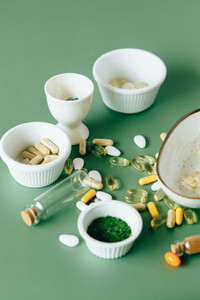
Walk into any supplement aisle (or scroll Instagram for five minutes) and you'll see it: fertility supplements promising better eggs, stronger sperm, balanced hormones, and faster results.
Trying to conceive as a man? Our complete, evidence-based guide to male fertility covers sperm health, semen analysis, and lifestyle in depth.
It's a lot. And if you're feeling overwhelmed by the choices, the claims, and the confusion about what might actually help — we completely understand. So many people we hear from feel exactly the same way when they first start looking into this.
Here's the good news: some supplements can genuinely support fertility.1,2 Others are unnecessary, poorly dosed, or just expensive vitamins with great marketing. We've put this guide together to walk you through what fertility supplements actually do, who may benefit, and how to use them safely — for both women and men.
No hype. No miracle claims. Just the clarity you deserve.
Do Fertility Supplements Really Work?
This is probably the first question on your mind, so let's be upfront: supplements don't "fix" fertility on their own. But they can support the biological processes involved in:
- Hormone production
- Egg and sperm development
- Ovulation and menstrual regularity
- Sperm count, motility, and DNA integrity
We like to think of supplements as supportive tools, not shortcuts. They tend to work best for you alongside:
- A nutrient-dense diet
- Healthy lifestyle habits
- Proper medical care when needed
Which Supplements Support Female Fertility?
If you're wondering where to start with female fertility supplements, you're not alone — it's one of the most common questions we get. These supplements are typically used to support hormone balance, ovulation, egg quality, and overall reproductive function. They're not a magic fix, but they can help create a more supportive environment for conception within your body.
Comprehensive fertility supplements for women typically combine several of these nutrients — including folic acid, CoQ10, zinc, and key B vitamins — in a single daily dose, which can make things simpler for you.
Important: If you are undergoing fertility treatment, discuss any new supplements with your fertility specialist before starting, as some supplements may interact with fertility medications or affect treatment outcomes.
L-Arginine
This amino acid supports nitric oxide production, which helps improve blood flow throughout your body. Better circulation may enhance nutrient delivery to your ovaries and uterus and support a healthy uterine lining.
Chasteberry (Vitex)
Often used to support hormonal signaling between your brain and ovaries, this herb is best known for its role in progesterone balance. Many women find it helpful for cycle regularity and luteal phase support.
Important: Chasteberry can interact with dopamine agonists, hormonal contraceptives, and HRT, and is generally not recommended during pregnancy or alongside fertility medications without medical advice. Always consult your healthcare provider.
Green Tea Extract
Packed with polyphenols and antioxidants, green tea extract helps combat oxidative stress that can affect your egg quality. Worth keeping in mind: your intake should remain moderate, as excessive amounts may interfere with iron absorption.
Magnesium
If you've ever noticed that stress seems to throw your cycle off, magnesium is worth knowing about. This mineral plays a role in stress regulation, muscle relaxation, and hormone signaling. Adequate levels support menstrual comfort and may help regulate cortisol, which can indirectly affect your reproductive hormones.
CoQ10
This is one we talk about a lot, and for good reason. As a key component of cellular energy production, CoQ10 is especially important for egg cells, which require significant energy to mature properly. Your levels naturally decline with age, which is why supplementation becomes more common after 35.3,4
Zinc
Critical for hormone production and ovulation, zinc also supports your immune function and cellular repair. Low levels have been linked with cycle irregularities and impaired reproductive function.
Vitamin B3 (Niacin)
Niacin supports energy metabolism and healthy circulation, both important for your ovarian function. It also plays a role in cellular repair and hormone synthesis.
Iron
Adequate iron levels are essential for oxygen transport and ovulatory function. Observational research has linked higher non-haem iron intake with lower ovulatory infertility risk, though subsequent studies have not consistently replicated these findings. Excess iron can also be problematic — so your provider may recommend testing (serum ferritin and transferrin saturation) to find your sweet spot.
Pyridoxal 5 Phosphate (Vitamin B6 - Active Form)
This active form of B6 supports your progesterone production and neurotransmitter balance. Practitioners often use it to support your luteal phase health and cycle regularity.
Vitamin B5 (Pantothenic Acid)
Pantothenic acid plays a role in adrenal hormone production and stress response. Supporting your adrenal health may indirectly benefit reproductive hormone balance — something that can be especially relevant if you're dealing with high stress levels.
Vitamin B2 (Riboflavin)
Riboflavin is essential for mitochondrial energy production and cellular growth. These processes are critical during your egg development and early pregnancy preparation.
Vitamin B1 (Thiamin)
Thiamin supports your carbohydrate metabolism and nerve signaling, helping ensure consistent energy availability. Adequate intake supports your overall metabolic and reproductive function.
Folic Acid
You've probably heard about this one already — and for good reason. Folic acid is essential for DNA synthesis, cell division, and early foetal development. Starting supplementation before conception is linked to reduced risk of neural tube defects, which is why most providers recommend it as a preconception staple.5
Selenium
As a trace mineral with antioxidant properties, selenium helps protect your eggs from oxidative damage. It also supports thyroid function, which plays a key role in reproductive health. Research typically examines doses of 55-100mcg daily; your individual needs may vary based on your current selenium level and health conditions.
Safety note: Selenium has a narrow therapeutic window. While 55-100mcg daily is beneficial, the safe upper limit is 400mcg daily. Intakes above 400mcg carry toxicity risk. Consult your healthcare provider about appropriate selenium intake, especially if you're taking other medications.
Biotin
Biotin supports your cellular growth and metabolic processes. While better known for hair and skin, it plays a role in your cellular function, though fertility-specific human evidence is limited.
Important: High-dose biotin supplementation can interfere with some blood test results, including hCG and TSH assays. If you have an upcoming blood test, mention any biotin supplementation to your provider. Always consult your healthcare provider.
Vitamin B12 (Cyanocobalamin)
This vitamin is essential for red blood cell formation and DNA synthesis. Deficiency has been linked to ovulatory issues and implantation challenges, so it's worth keeping an eye on your levels.
Vitamin D3
Here's something many people don't realise: vitamin D receptors sit in your ovaries and endometrium, highlighting just how involved this nutrient is in reproductive function. Low levels are common — especially in the UK — and have been linked to reduced fertility outcomes. Research typically examines doses of 1000-4000 IU daily; your healthcare provider can recommend appropriate dosing based on your individual vitamin D status.
Vitamin E (Synthetic)
Known for its antioxidant properties, vitamin E helps protect your cell membranes from oxidative stress. This protection is important for your egg integrity and hormone signaling.
Safety note: High doses of Vitamin E may increase bleeding risk, particularly if taking blood thinners (Warfarin, Heparin). Consult your healthcare provider before taking high-dose Vitamin E if you take blood-thinning medications.
Which Supplements Support Male Fertility?
We know that conversations about fertility can sometimes feel like they're directed mainly at women, but male fertility plays a role in nearly half of infertility cases. That makes sperm health a critical part of the conversation — and if you're a male partner reading this, we're glad you're here. Men typically take these supplements to support sperm count, motility, morphology, and DNA integrity.
L-Carnitine Tartrate
This compound is essential for sperm energy metabolism and movement. Research links it to improved sperm motility and overall semen quality.6 Studies typically examine doses of 1-3g daily for a minimum of 3 months; your healthcare provider can advise on appropriate dosing for your situation.
L-Arginine
By supporting nitric oxide production, this amino acid helps improve your blood flow and circulation. These effects may support your sperm production and reproductive function.
L-Taurine
Taurine acts as an antioxidant and helps stabilise your sperm cell membranes. This protection supports motility and overall sperm viability.
Green Tea Extract
The antioxidant compounds in green tea help reduce oxidative stress, which is actually one of the leading contributors to sperm DNA damage. Lower oxidative stress is associated with improvements in your sperm quality.
Dong Quai Extract
Traditionally used in reproductive health, this botanical is included in some formulas for its circulation-supportive properties. Evidence in men is still limited, but you'll sometimes see it as part of comprehensive fertility formulations.
Maca Root Extract
Maca is commonly used to support your libido, stamina, and energy. Some studies also link it to improvements in sperm count and motility, though sample sizes are typically small and results vary across trials.
L-Acetyl (L-Acetyl-Carnitine)
This form of carnitine supports mitochondrial energy production within your sperm cells. It has its own evidence base for sperm motility, and you'll sometimes find it used alongside L-carnitine tartrate in fertility formulations.
Vitamin C
As a powerful antioxidant, vitamin C helps protect your sperm from oxidative damage. It has also been linked to improvements in sperm count and motility.
Zinc
Adequate zinc levels are essential for your testosterone production and sperm development. Deficiency is commonly associated with reduced sperm quality and lower testosterone levels — making this one of the first nutrients worth you checking.
Vitamin B6
This vitamin supports your amino acid metabolism and hormone regulation. Balanced levels contribute to healthy sperm production.
Folic Acid
Folate plays a role in DNA synthesis and cell division during your sperm development. Adequate intake may help reduce your sperm DNA fragmentation.
Selenium
This trace mineral supports your sperm motility and morphology. Its antioxidant properties help protect your sperm cells from oxidative damage.
Vitamin B12
Vitamin B12 is essential for your DNA integrity and red blood cell production. Low levels have been linked to reduced sperm count and motility.
Vitamin E (Natural)
Natural vitamin E helps protect your sperm cell membranes from oxidative stress. This protection supports motility and your overall sperm health.
Which Supplements Benefit Both Partners?
If you and your partner are both trying to conceive, you'll be glad to know that some nutrients support reproductive health across the board. These are especially valuable because both of you can benefit.
Zinc
This mineral plays a role in hormone production, immune health, and cell division. It supports ovulation, egg quality, and sperm development in both of you — making it a real workhorse nutrient for your fertility.
Selenium
Selenium protects your reproductive cells from oxidative damage and supports thyroid function. Healthy thyroid signaling is essential for fertility in both of you, women and men.
Folic Acid
Folate is required for DNA synthesis in both your eggs and sperm. Adequate intake supports healthy conception and early embryonic development — it's not just a "women's supplement."
Vitamin B12
By supporting your red blood cell formation and DNA integrity, B12 contributes to reproductive cell health. Deficiency can affect fertility outcomes in both of you.
Vitamin D
Vitamin D influences hormone regulation, immune balance, and reproductive tissue function. Adequate levels are associated with improved fertility markers in both women and men — and given how common deficiency is, it's well worth checking your levels.
Antioxidants (Vitamins C & E)
Oxidative stress is thought to affect egg quality, sperm quality, and implantation. Cochrane reviews of antioxidant supplementation in subfertile women and men suggest possible benefit but rate the overall evidence as low-to-moderate quality1,2, so for you it is worth viewing antioxidants as one supportive piece of the puzzle rather than a standalone solution.
Evidence-based dosages vary by supplement and individual circumstances. CoQ10: Research typically uses 200-600mg daily for egg quality; Folic Acid: Studies have examined 400-800mcg daily preconception; Vitamin D: Research suggests 1000-4000 IU daily (test levels first); Zinc: Studies have used 8-15mg women, 25-30mg men for fertility, not exceeding 40mg daily; Selenium: Research typically examines 55-100mcg daily, with safe upper limit 400mcg; L-Carnitine (male fertility): Studies have used 1-3g daily for minimum 3 months; Myo-Inositol (PCOS): Research typically uses 2-4g daily (typically 2g twice daily) for 3+ months. Individual nutrient needs vary based on existing levels, health conditions, and concurrent medications. Always consult your healthcare provider to determine appropriate doses for your specific situation.
| Supplement | Primary Function | Female Fertility | Male Fertility | Typical Timeline |
|---|---|---|---|---|
| Folic Acid | DNA synthesis and cell division. | ✓ | ✓ | 2–3 months minimum. |
| CoQ10 | Mitochondrial energy and antioxidant support. | ✓ | ✓ | 2–3 months minimum. |
| Zinc | Hormone balance and immune function. | ✓ | ✓ | 2–3 months minimum. |
| Vitamin D | Hormone regulation and immune support. | ✓ | ✓ | 2–3 months minimum. |
| Omega-3 (DHA/EPA) | Anti-inflammatory and developmental support. | ✓ | ✓ | 2–3 months minimum. |
| Selenium | Antioxidant protection. | ✓ | ✓ | 2–3 months minimum. |
| L-Carnitine | Sperm energy metabolism. | — | ✓ | 2–3 months minimum. |
| Myo-Inositol | Ovulatory support and insulin sensitivity. | ✓ | — | 2–3 months minimum. |
| Vitamin C | Antioxidant and collagen synthesis. | ✓ | ✓ | 2–3 months minimum. |
| Vitamin E | Antioxidant protection. | ✓ | ✓ | 2–3 months minimum. |
| Iron | Oxygen transport and ovulatory function. | ✓ | — | 2–3 months minimum. |
| Magnesium | Stress regulation and hormone balance. | ✓ | ✓ | 2–3 months minimum. |
How Do You Choose a Fertility Supplement?
This is where things can feel really confusing — and we get it. With hundreds of fertility supplements on UK and international shelves, the right question isn't "which brand is best?" but "which formulation is most likely to deliver the nutrients at the doses that actually matter?" Here's a framework we'd encourage you to use before buying any product.
What to Look For
- Bioavailable ingredient forms. Look for methylfolate (5-MTHF) rather than synthetic folic acid alone, ubiquinol rather than ubiquinone for CoQ10, methylcobalamin rather than cyanocobalamin for B12, and chelated minerals such as zinc bisglycinate and magnesium glycinate. These forms may be better absorbed in some individuals. For those with a known MTHFR variant, methylfolate is sometimes preferred, though current evidence still supports folic acid as the proven preconception form for neural tube defect prevention.
- Clinically studied doses. The dose matters as much as the ingredient. Research-backed ranges include 400 mcg folate (the NHS preconception minimum), 200–600 mg CoQ10 for egg quality support, 1,000–3,000 mg L-carnitine for sperm motility, and 15–30 mg zinc daily. Many mass-market fertility supplements contain "fairy dust" doses well below these research thresholds.
- Transparent labelling. A quality formulation lists every active ingredient and its exact amount per serving. Avoid "proprietary blends" that lump ingredients together without individual doses — these hide whether you are getting a therapeutic amount of each nutrient or a trace.
- Third-party testing. Reputable brands test finished products for contaminants such as heavy metals, pesticides, and microbial load, and verify that label claims match actual content. Look for third-party certifications or a published Certificate of Analysis.
- A formulation matched to your needs. Men and women require different fertility formulations. Male-focused products prioritise antioxidants, L-carnitine, and zinc for sperm parameters, while female formulations target egg quality, hormone balance, and folate status. If you have a diagnosed condition such as PCOS, endometriosis, or a thyroid issue, the formulation should reflect that.
What to Avoid
- Underdosed "kitchen sink" formulas that list twenty ingredients but contain too little of each to matter.
- Products that rely solely on synthetic folic acid without offering methylfolate, particularly if you have a known or suspected MTHFR variant.
- Unnecessary fillers, artificial colours, and bulking agents such as titanium dioxide, high levels of magnesium stearate, or artificial dyes.
- Proprietary blends that hide individual ingredient doses behind a single total.
- Unrealistic claims. Any supplement that promises pregnancy, guarantees results, or claims to treat infertility is making statements that UK (ASA) and US (FTC) advertising regulators consider misleading.
- Products sold without basic safety information such as contraindications, interactions with fertility medications, and pregnancy-use guidance.
Quick Comparison: Green Flags vs. Red Flags
| Consideration | Green flag | Red flag |
|---|---|---|
| Folate form | Methylfolate (5-MTHF) at ≥400 mcg | Synthetic folic acid alone at low dose |
| CoQ10 form | Ubiquinol, 200–600 mg | Ubiquinone under 50 mg |
| Label transparency | Every ingredient and dose listed | "Proprietary blend" without doses |
| Quality testing | Third-party lab tested, Certificate of Analysis | No testing disclosures on pack or website |
| Claims | Evidence-based, supportive language | Pregnancy guarantees or cure claims |
| Formulation fit | Sex-specific and condition-aware | Unisex "one-size" product |
If you're unsure where to start, two helpful reference points are our ranked overview of the top 10 fertility supplements most commonly studied in reproductive research and our guide to the vitamins most often recommended when trying to conceive. If PCOS or irregular cycles are part of your picture, the supplement framework in our PCOS and fertility guide is a great place to continue.
How Long Do Fertility Supplements Take to Work?
We know this isn't what you want to hear, but patience really does matter here. Your eggs and sperm take time to develop, and supplements need that same window to make a difference:
- Sperm: ~74 days
- Egg development: the final maturation phase that supplementation can influence takes approximately 85–90 days, though the full follicular journey from primordial activation to ovulation spans closer to 290–300 days7
Most providers recommend giving supplements at least 2-3 months before evaluating their impact. We know that feels like a long time when you're eager to see results — but consistency is genuinely what makes the difference.
What Are the Most Common Fertility Supplement Mistakes?
We see these come up again and again in our community, so let's flag the big ones now so you can sidestep them:
- Taking everything "just in case"
- Ignoring dosage and bioavailability
- Skipping testing when appropriate
- Assuming more = better
- Replacing medical care with supplements
More supplements don't equal better fertility — and sometimes they can actually do harm. A targeted approach based on your individual needs is always more effective than a kitchen-sink strategy.
Should You Take Fertility Supplements Without a Doctor?
This is a fair and important question you're asking. Some supplements (like prenatals) are generally safe for most people. But others really should be individualised for you, based on:
- Your age
- Your medical history
- Your hormone levels
- Any diagnosed conditions (PCOS, endometriosis, male factor infertility)
When in doubt, we'd always encourage you to chat with a reproductive endocrinologist or fertility-informed provider. They can help you build a supplement plan that actually matches your body's needs — rather than guessing.
Frequently Asked Questions
Do fertility supplements guarantee pregnancy?
No. Fertility supplements support the biological conditions needed for conception — such as hormone balance, egg quality, and sperm health — but they can't guarantee pregnancy. Fertility depends on a wide range of factors, many of which supplements can't influence. Think of them as one supportive tool within a broader approach that includes healthy lifestyle habits and, where needed, medical care.
Should men take supplements even if semen analysis is normal?
In some cases, yes. A normal semen analysis reflects count, motility, and morphology at a single point in time, but it doesn't capture everything — sperm DNA fragmentation and oxidative stress levels, for example, may still be elevated. Antioxidant-based supplements such as CoQ10, vitamin C, zinc, and selenium can help protect sperm quality and reduce DNA damage even when standard parameters appear normal.
Can supplements improve egg quality after 35?
Supplements can support the cellular environment in which your eggs develop, and certain nutrients — particularly CoQ10, which supports mitochondrial energy production — have been studied specifically in older women undergoing IVF. However, supplements can't reverse the natural age-related decline in ovarian reserve or chromosomal integrity. Their role is supportive, not curative, and benefits are most meaningful when you start several months before trying to conceive.
Are fertility supplements safe during IVF or IUI?
Many commonly used fertility supplements are considered safe during IVF or IUI, but this varies by supplement and clinic protocol. Some supplements may interact with medications or affect hormone levels during stimulation cycles. Always share your full supplement list with your fertility clinic before starting any treatment cycle so your care team can advise on what to continue, pause, or adjust.
Can I get everything I need from food instead of supplements?
In theory, a well-balanced, nutrient-dense diet can provide many of the key fertility nutrients. In practice, getting optimal levels of folate, CoQ10, vitamin D, zinc, and omega-3s through food alone can be difficult — especially during preconception when your requirements are higher. Supplementation helps fill gaps reliably, particularly for nutrients like folic acid where consistent daily intake before conception is clinically important.
Disclaimer: This article is for informational purposes only and does not constitute medical advice. Before starting any new supplement regimen, especially if you are pregnant, nursing, taking medications, or have underlying health conditions, consult with your healthcare provider or a registered dietitian. Some supplements may interact with medications or affect fertility treatment outcomes.
These statements have not been evaluated by the Food and Drug Administration. These products are not intended to diagnose, treat, cure, or prevent any disease.
References
- Showell MG, Mackenzie-Proctor R, Jordan V, Hart RJ. Antioxidants for female subfertility. Cochrane Database Syst Rev. 2020;8:CD007807.
https://pubmed.ncbi.nlm.nih.gov/32851663/ - de Ligny W, Smits RM, Mackenzie-Proctor R, et al. Antioxidants for male subfertility. Cochrane Database Syst Rev. 2022;5:CD007411.
https://pubmed.ncbi.nlm.nih.gov/35506389/ - Xu Y, Nisenblat V, Lu C, et al. Pretreatment with coenzyme Q10 improves ovarian response and embryo quality in low-prognosis young women with decreased ovarian reserve. Reprod Biol Endocrinol. 2018;16(1):29. doi:10.1186/s12958-018-0343-0
https://pubmed.ncbi.nlm.nih.gov/29587861/ - Ben-Meir A, Burstein E, Borber A, et al. Coenzyme Q10 restores oocyte mitochondrial function and fertility during reproductive aging. Aging Cell. 2015;14(5):887-895. doi:10.1111/acel.12368
https://pubmed.ncbi.nlm.nih.gov/26111777/ - US Preventive Services Task Force. Folic Acid Supplementation to Prevent Neural Tube Defects: Reaffirmation Recommendation Statement. JAMA. 2023;330(5):454-459. doi:10.1001/jama.2023.12876
https://www.uspreventiveservicestaskforce.org/uspstf/recommendation/folic-acid-for-the-prevention-of-neural-tube-defects-preventive-medication - Salas-Huetos A, Rosique-Esteban N, Becerra-Tomas N, et al. The effect of nutrients and dietary supplements on sperm quality parameters: a systematic review and meta-analysis of randomized clinical trials. Adv Nutr. 2018;9(6):833-848. doi:10.1093/advances/nmy057
https://pubmed.ncbi.nlm.nih.gov/30462179/ - Gougeon A. Human ovarian follicular development: from activation of resting follicles to preovulatory maturation. Ann Endocrinol (Paris). 2010;71(3):132-143.
https://pubmed.ncbi.nlm.nih.gov/20362973/

Marina Carter
Fertility Health Writer at FertilitySmart
Marina Carter is a specialist health writer with nearly a decade of experience in reproductive health, fertility nutrition, and evidence-based conception support. She has authored over 30 in-depth articles for FertilitySmart, translating peer-reviewed research into clear, practical guidance for individuals and couples on their fertility journey. Read full bio →